Why Brands on Amazon Should Use QR Code Inserts

Prime Day 2023 is approaching, and you are making every effort to maximize sales on July 11th and 12th. Looking for an edge? Don’t forget to include an insert with a QR code.
Many brands are using QR codes as a way to collect customer emails and phone numbers. It’s no surprise because Amazon is a dark channel – brands have no idea who is buying and have no way to engage with them.
Not only are QR codes an effective strategy for collecting customer emails, but they are a powerful way to improve the overall experience with your product. It should be integrated into your year-round playbook, but Prime Day offers an excellent opportunity to leverage QR code experiences.
.avif)
How QR Codes can provide a great experience to Amazon customers
QR codes can help your customers extract maximum value from your product. To do this, use QR codes to provide links to:
- Setup instructions
- How to use the product
- Branded unboxing videos
- Warranty and product registration
- Recipes
While seemingly innocuous, offering customers a simple and hassle-free setup experience can save time and frustration. For one brand, providing video setup instructions, moved the average Net Promoter Score (NPS) from 5 to 10!
Furthermore, by controlling the experience, you eliminate the need for customers to seek third-party assistance on platforms like YouTube or Google.
Finally, when customers have a positive experience with their Amazon purchases, it fosters their loyalty and encourages them to return to Amazon.
Use QR Codes to collect email addresses.
While you are improving the buying experience, seize the opportunity to gather email addresses. While most marketers think of remarketing opportunities first, there is so much you can do when you have the ability to get in touch with your customers.
- Send surveys
- Interview customers
- Get new product Ideas
- Build brand loyalty
- Drive review
Don’t expect customers to hand over their email addresses without a value exchange. Building upon the recipe above, you can provide one recipe for free and offer an additional ten recipes in a gated ebook.
Creative ways to use QR codes and be Amazon compliant
For those who wish to exercise extra caution when using QR codes, you can consider 3 approaches:
- Placing the QR code inside the product packaging.
- Utilizing a sticker that states "Peel Me" to cover the QR code.
- Incorporating an insert with a scratch-off component that conceals the QR code.
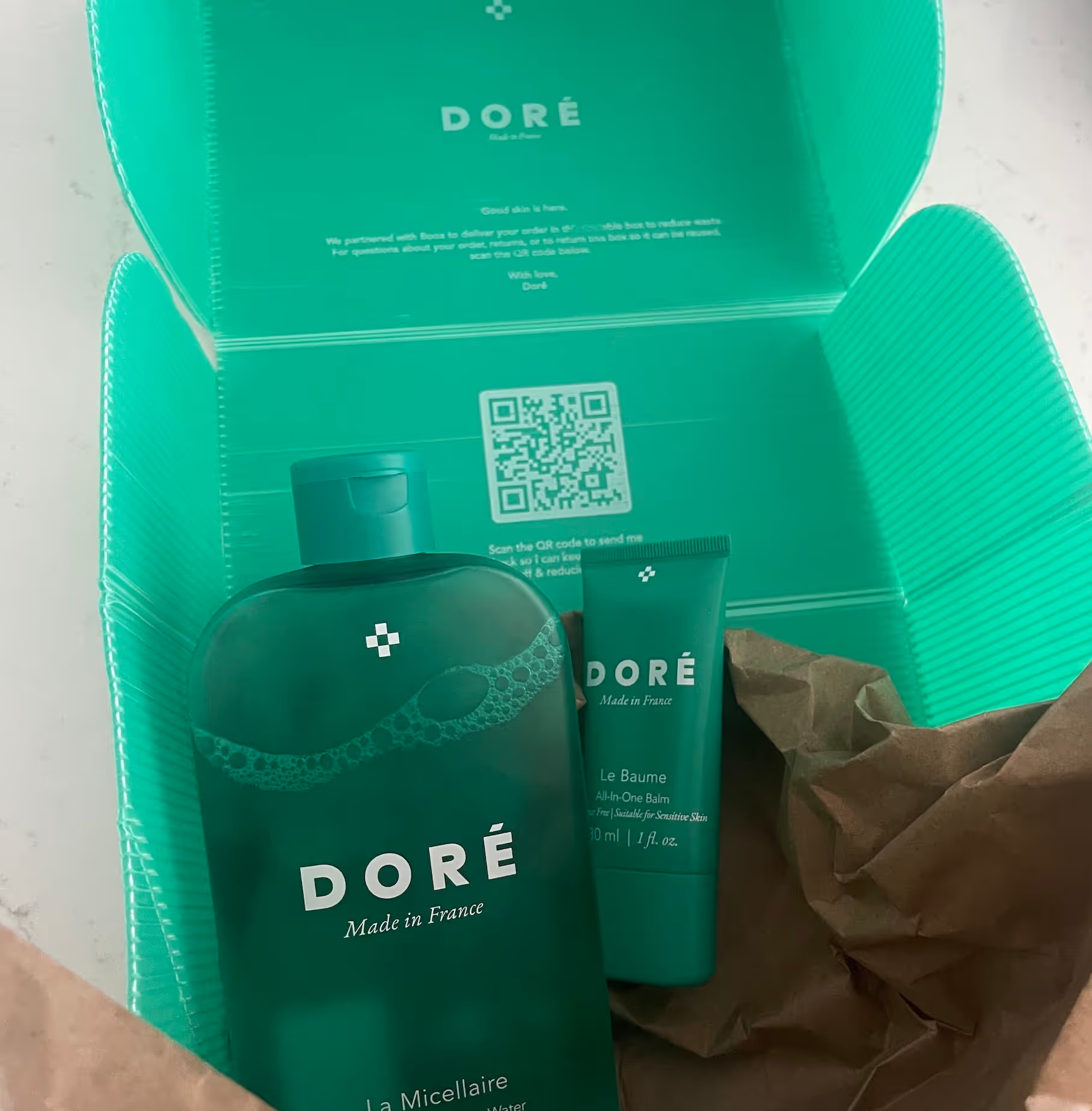
If your product includes a warranty, it is permissible to use the QR code to direct buyers to the registration page. Although unconventional, a CPG brand could develop its own version of a warranty, such as a "satisfaction guarantee." This would enable customers to register with the brand in the event of a negative product experience and receive a replacement via mail or a digital coupon.
Another value-added tactic for collecting customer information post-sale involves offering educational resources. For instance, not long ago, I purchased a coffee frother on Amazon. Upon receiving the package, there was an option to access recipes to try with my new frother. The brand got my email and I was happy with my recipes.
While we have yet to come across stories of Amazon sellers facing warnings or violations related to the use of QR codes, it is worth noting that Amazon enforcement is uneven. It is not unheard of for sellers to be reported for unjust reasons by disgruntled customers or competitors.
To be safe, use dynamic QR codes. If you experience a warning, you can quickly redirect your QR code to your Amazon shop homepage, ensuring compliance.